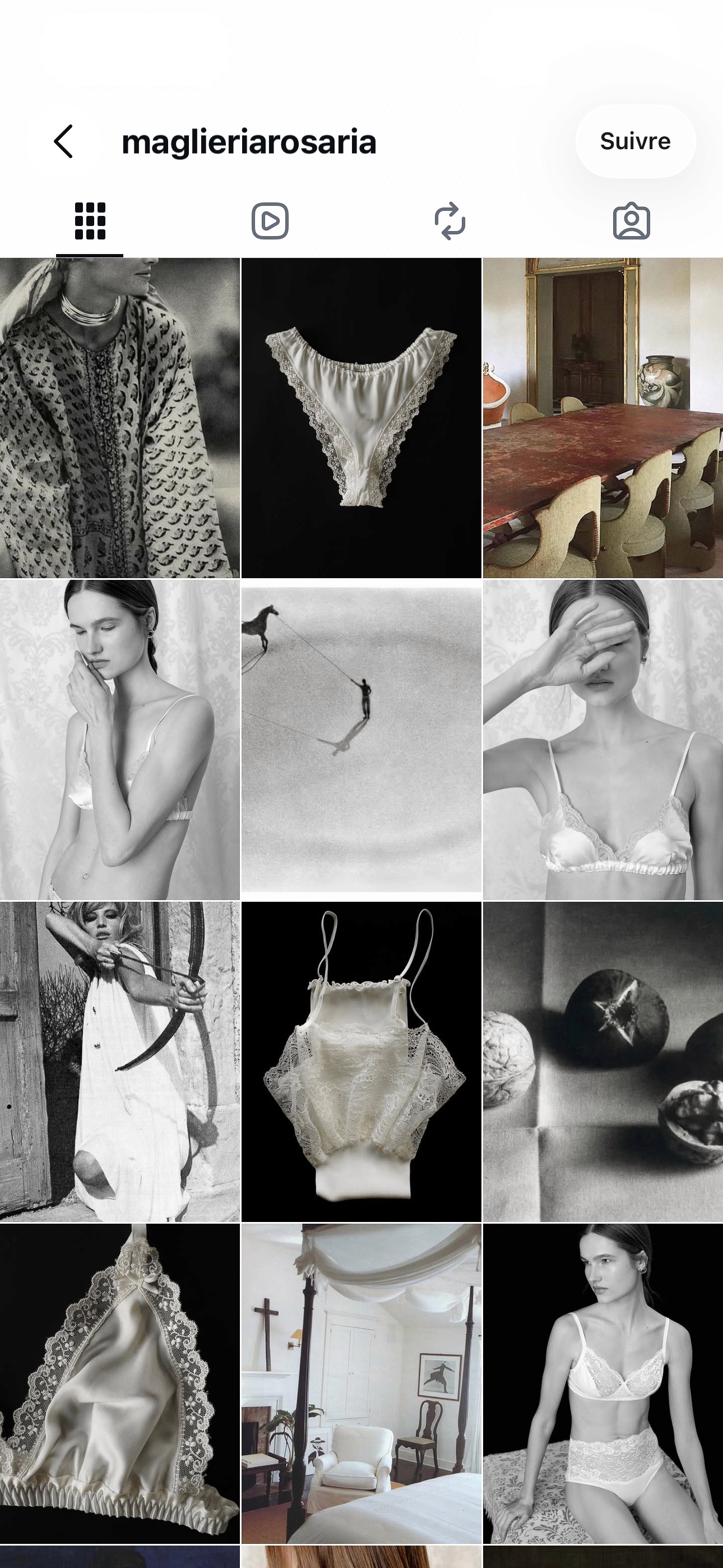
/INSTAGRAM LINK/
Louise Roe Andersen has a theory about tomatoes. And onions. They are beautiful, colorful, alive: why hide them away in a refrigerator when they could help compose a kitchen? A thought serious enough to inspire the design of her Alice Bowl, crafted specifically to keep fruits and vegetables on display for all to see.
The anecdote says a lot about the Danish designer. Since founding Louise Roe Copenhagen in 2010, she has viewed interiors less as an exercise in decorating and more as a composition: shapes, materials, colors, and objects must speak to each other, sometimes even clash. She claims she is no functionalist, readily comparing an interior to a fine dish: it needs the sweet, the bitter, the salty—in other words, contrast.
Her creative process retains a deeply tactile quality. Trained before 3D became omnipresent, Louise Roe still works in her carnets, often turning directly to modeling clay when an idea demands volume. An asymmetrical column glimpsed somewhere, a curve, or a texture can thus become the starting point for a vase, a lamp, or a piece of furniture.
This philosophy extends far beyond individual objects. In Copenhagen, the Louise Roe Gallery & The Roe Bar brings together furniture, art, coffee, and vintage magazines curated by her daughter, Sophia Roe.